





A Balanced Diet – The Most Important Points at a Glance
- The human body needs a wide variety of nutrients and vitamins.
- To ensure that we actually get these nutrients, we need to eat a wide variety of foods.
- Because that's the only way we can stay healthy and prevent serious illnesses such as diabetes or heart disease.
- However, there are other factors that contribute to a balanced diet.
We all have a general idea of what a balanced diet entails. First and foremost, we think of foods rich in vitamins—that is, vegetables and fruits. Fiber, however, is just as important—and the foundation of it all is the intake of fluids such as water and tea.
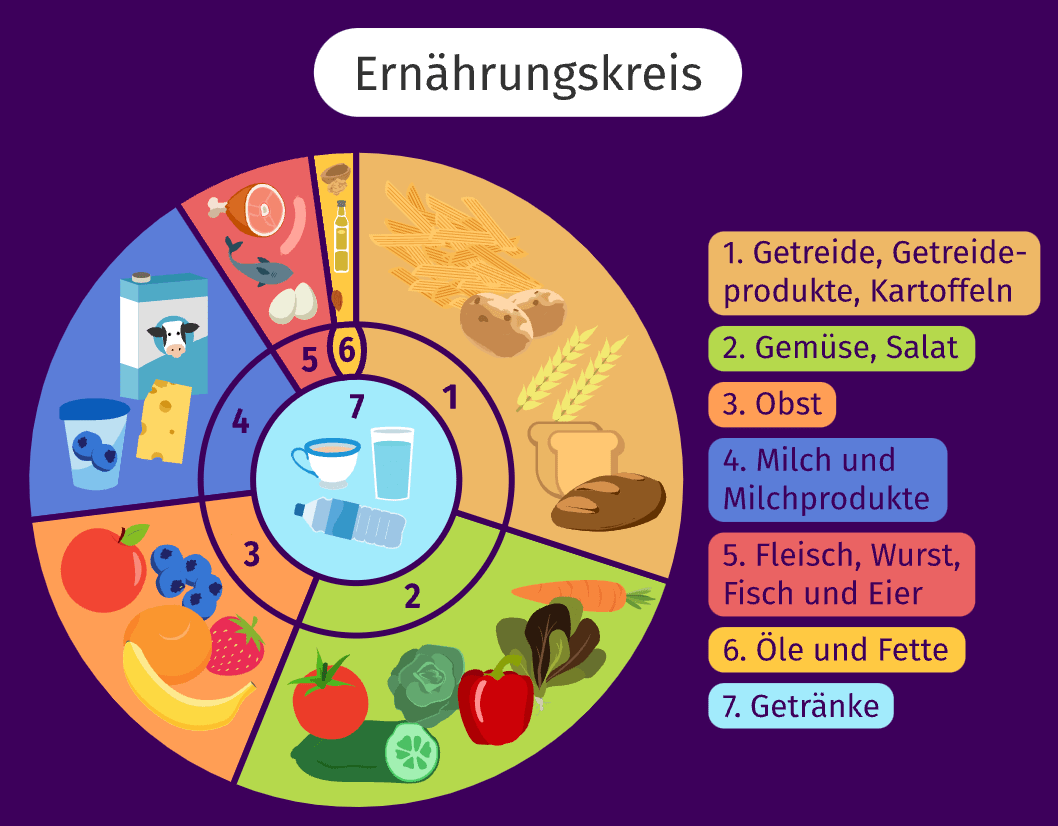
A balanced diet involves more than just vitamins
You can get vitamins from fresh fruits and vegetables. Pregnant women, nursing mothers, athletes, older adults, and children and adolescents have higher vitamin needs, which is why it’s recommended to take dietary supplements as well. In Kanela’s online store, for example, you can purchase Kanela Multivitamin Capsules or Kanela Vitamin B Complex Tablets.
But a balanced diet involves more than that. Yes, you should consume animal-based foods only in moderation, especially red meat. However, in addition to legumes, poultry and fish are particularly valuable sources of lean protein. Ideally, milk and dairy products such as yogurt or quark shouldn’t be completely eliminated from your diet either. Carbohydrates, on the other hand, are important for energy—such as bread (preferably whole-grain), rice, pasta, and potatoes.
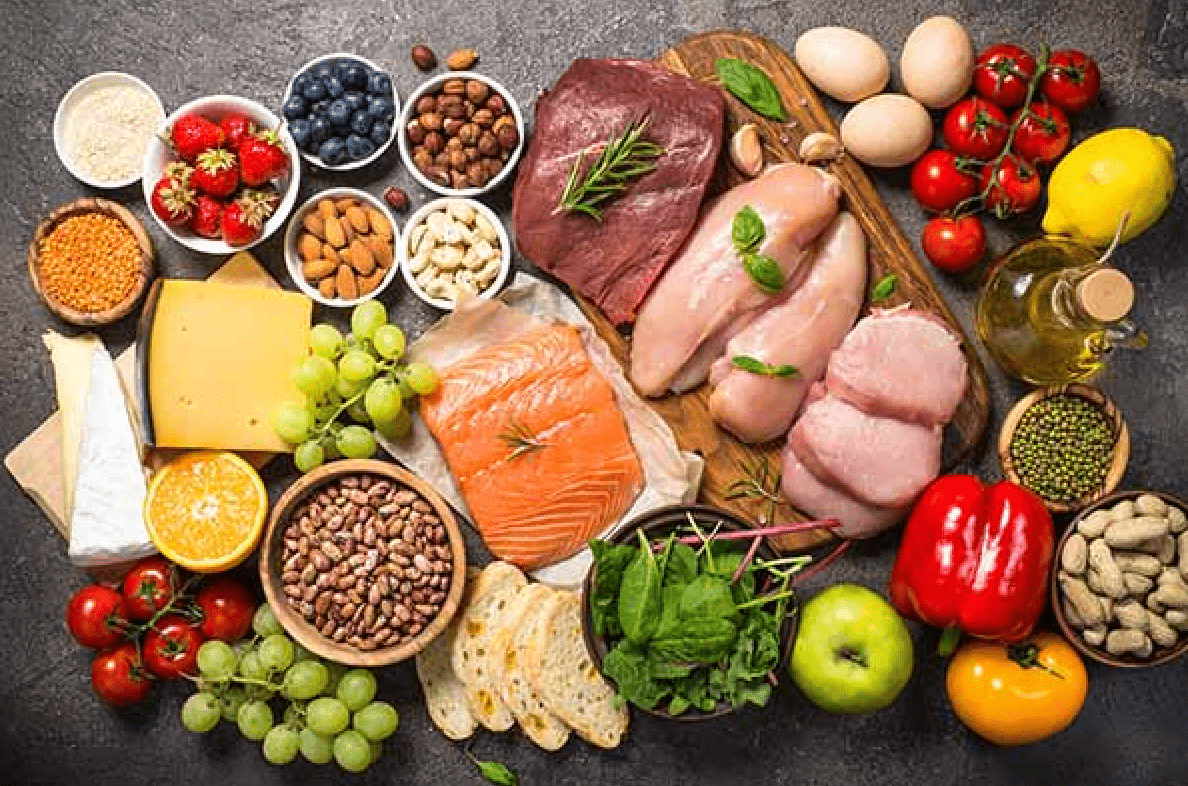
The food pyramid is a useful tool
If you want to illustrate what a balanced diet means, a food pyramid can be helpful. Imagine it like this: The pyramid consists of six levels. The bottom tier has six blocks, the next tier has five, the third tier from the bottom has four, and so on. Accordingly, the top tier consists of only one block. The three bottom tiers are colored green, which means these foods can be included frequently in your diet.
The fourth row from the bottom is yellow (consumption is allowed in limited quantities), and the top two rows are red (consume as rarely as possible). The bottom level consists exclusively of beverages—specifically, water. Soft drinks and alcohol do not belong here. The blocks in the level above contain fresh fruits and vegetables, while the green blocks in the third-lowest level include foods such as rice, pasta, potatoes, and grain-based products. The third level from the top includes animal-based foods, such as meat, eggs, fish, and milk. And the foods in the top two levels include fatty foods, snacks, munchies, and sweets.
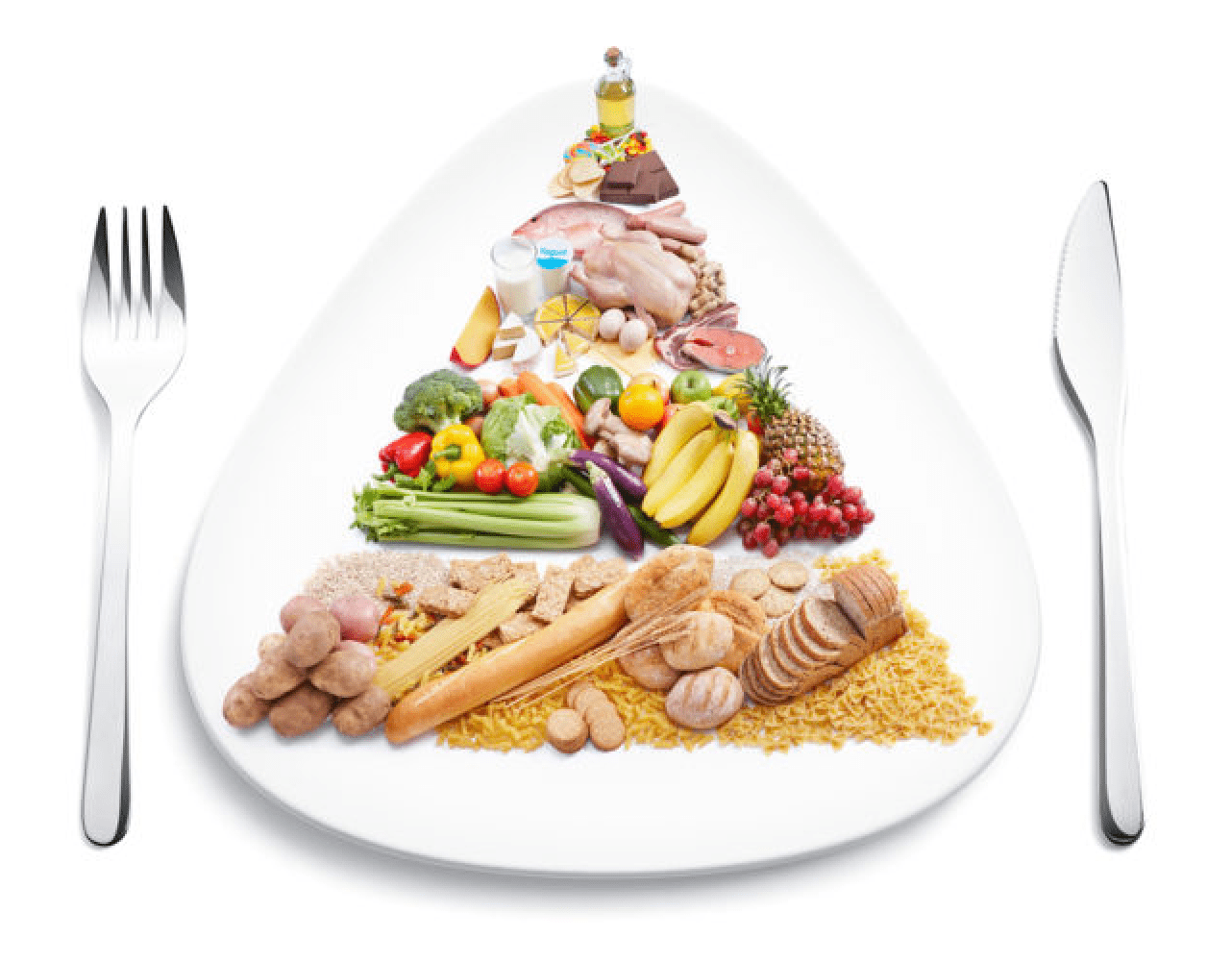
Other Components of a Balanced Diet
If you want to eat a balanced diet, you must pay attention not only to what you eat but also to other principles. These include, for example, self-control and moderation: Don’t eat too much to avoid consuming an excessive number of calories. This is the most important step in preventing weight gain. At the same time, avoid excessive consumption of processed foods, as they almost always contain saturated fats, sugar, and salt.
Always keep in mind your personal needs, which depend on your age, lifestyle, and any pre-existing medical conditions. These factors influence the balanced diet that is right for you.


