





Summer: what helps against the heat? The essentials at a glance
- Summer heat divides people into two camps: one half looks forward to it, while the other half groans and struggles under the high temperatures.
- However, we all need to be careful not to overestimate ourselves and, for example, make sure to drink plenty of fluids.
- You should only exercise at certain times of day.
- There are also many other tips to help you—and all of us—get through the so-called dog days of summer.
Let’s start with exercise. Of course, we should not give it up in summer because of the heat, but it is important to spare the body during the hottest part of the day, at midday and in the afternoon. When temperatures are bearable in the morning and evening, exercising—in moderation, at least—is fine. In general, we should ideally spend the hottest hours, when the asphalt is scorching outside, in cooled rooms and keep the blinds closed.
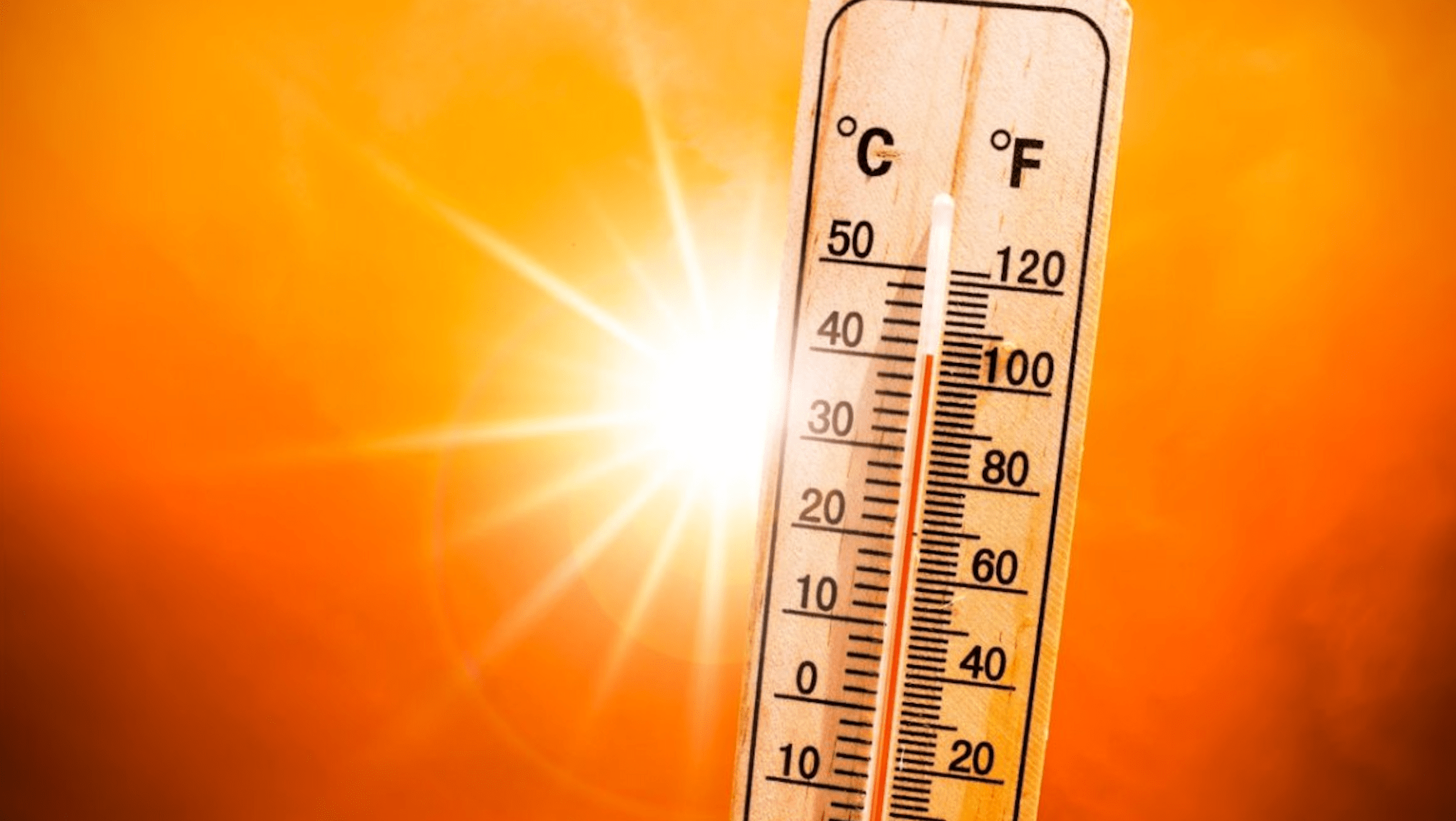
Using air conditioning and fans sensibly in summer and hot weather
Nowadays, air conditioning is no longer a luxury. Nevertheless, there is a rule of thumb for using it: do not set the air conditioning too cold. The ideal setting is six to seven degrees below the outdoor temperature; otherwise, the difference is too extreme. A pleasant side effect of air conditioning is that it keeps the air in the room constantly moving.
This is a very sensible measure, and it can also be implemented effectively with a fan. Although a fan does not lower the air temperature, the airflow allows sweat on the skin to evaporate more quickly. A fan does not need to be running all day, by the way; switching it on from time to time is enough.
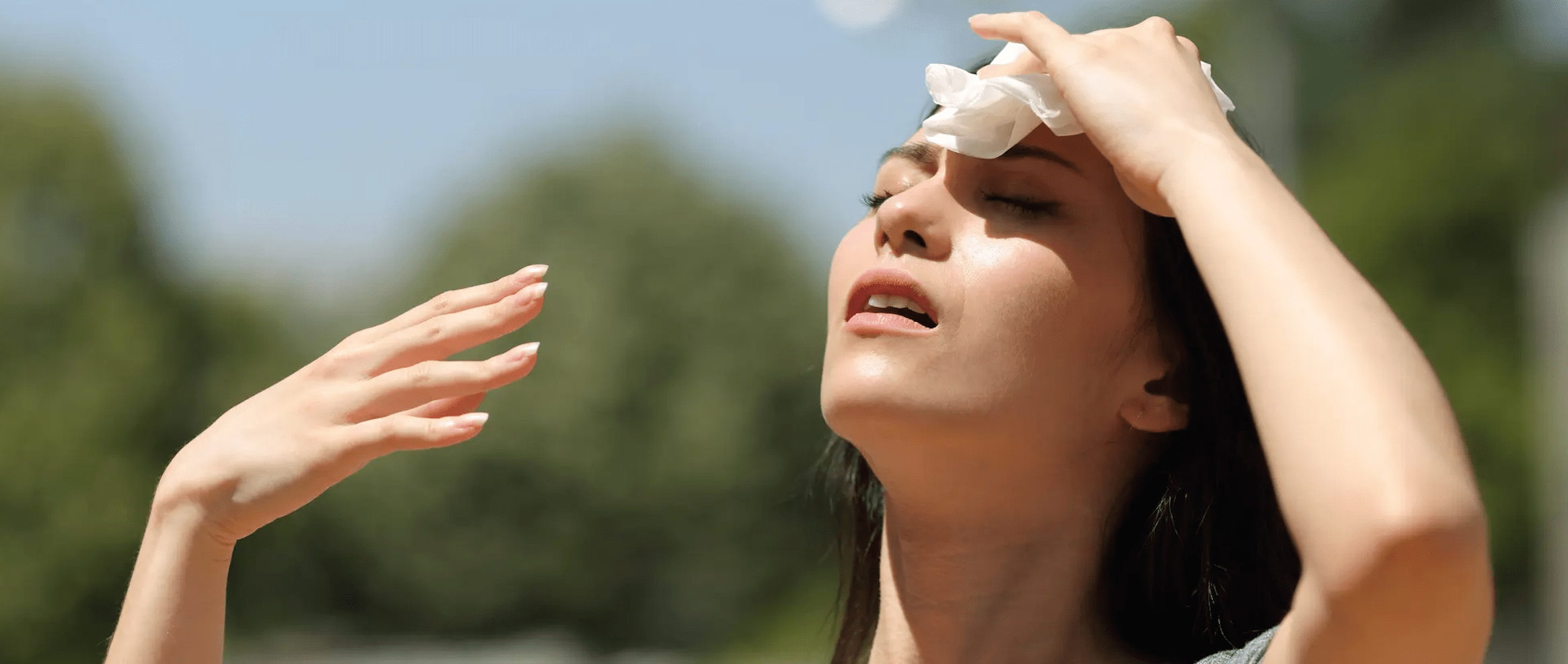
Fluids and evaporative cooling in summer and hot weather
Speaking of sweat: in hot weather, it naturally flows all by itself. This is how the body regulates its temperature. You can support your body by drinking at least two litres of water throughout the day. If you sweat heavily, feel free to drink up to four litres. This prevents dehydration and helps ward off headaches and circulatory problems. Ideally, the fluids you drink should be lukewarm to reduce the strain on your circulation.
Spraying yourself with water from a spray bottle kept in the refrigerator is also refreshing and helps prevent overheating. If you hang laundry out to dry in high temperatures, feel free to do so indoors: the evaporating water cools the air in the room. However, do not forget to air the room thoroughly from time to time.
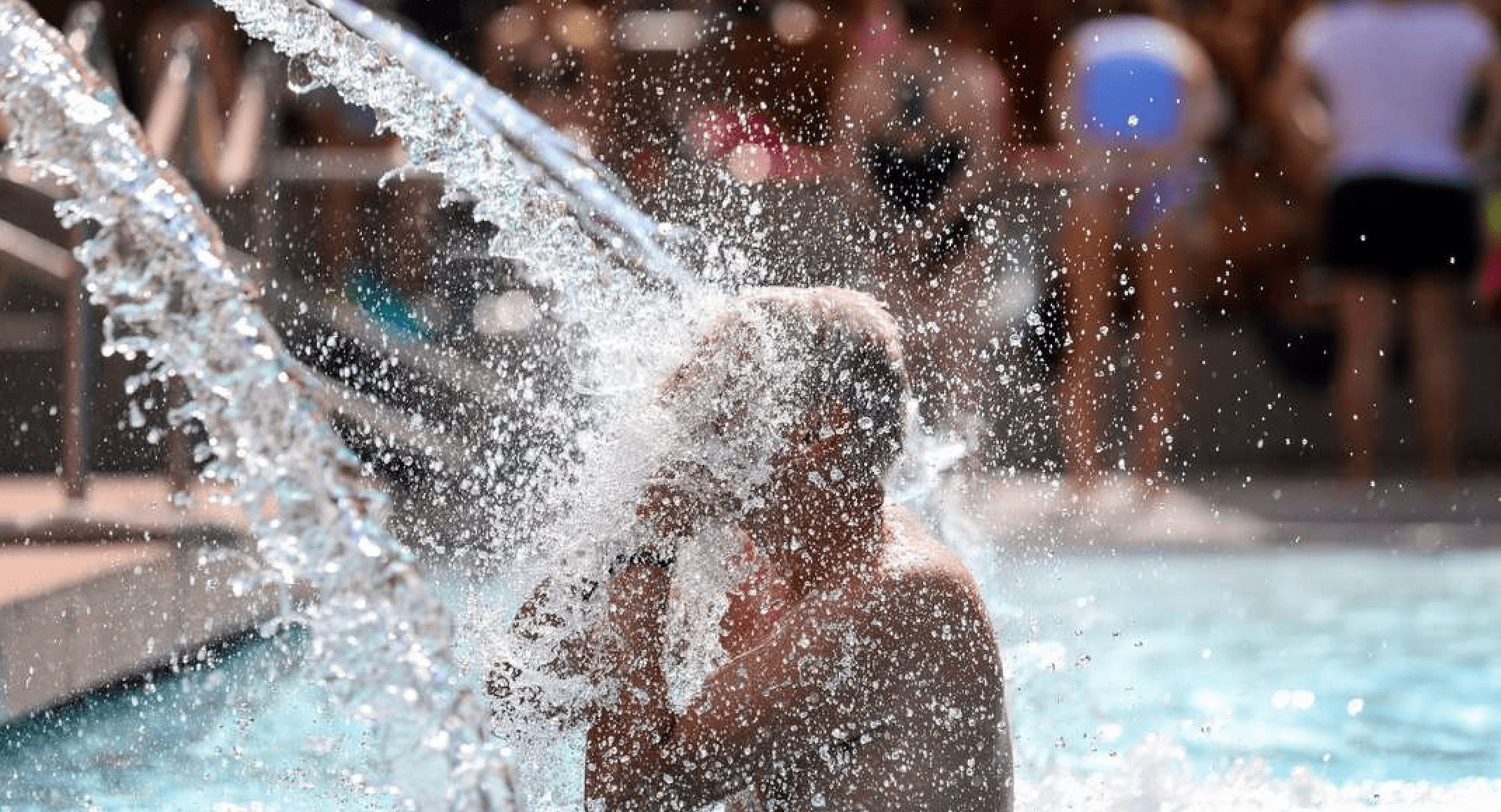
Water and clothing in the sun and heat?
A dip in cool water is tempting. But whether you are at an outdoor pool or a swimming lake, it is better to enter the water slowly; otherwise, you risk a life-threatening circulatory shock because the blood vessels constrict suddenly. In the office, you can cool down by running cold water over your forearms at the sink. At home, a cool—but not too cold—shower can help.
Those who like to wear thick or tight-fitting clothing should change their wardrobe in summer and switch to loose, relaxed-fitting garments made from natural fibres such as cotton or linen. Long sleeves and clothing that covers the legs also protect against sunburn. Protective headwear is highly recommended as well.
Conclusion: take good care of yourself in the summer heat
Nothing can replace mindfulness in high temperatures. As a rule, our bodies know what they need in hot weather and send us the appropriate signals. One more tip regarding nutrition: eat light meals, with plenty of vegetables and fruit. Foods that contain a lot of water are ideal. Yoghurt, quark and similar foods are also suitable—as long as you avoid anything fatty that puts a strain on your stomach and circulation.


