





What Are Hemorrhoids? Key Takeaways:
- Hemorrhoids are a type of varicose vein located between the rectum and the anal sphincter.
- In most cases, the underlying cause is chronic constipation, which results from poor diet, excess weight, and a lack of exercise.
- Men are more likely to develop hemorrhoids than women.
- There are ointments and gels that provide relief and, when used regularly, help alleviate the symptoms.
Hemorrhoids are still a taboo subject for many people. People don’t like to talk about them because they involve the anal region. Yet, according to estimates, about one in two people in Central Europe over the age of 30 is affected by these swellings. Among men in this age group, the figure is likely as high as 70 percent, while women suffer from hemorrhoids less frequently. But what exactly are hemorrhoids? Learn more in this article.
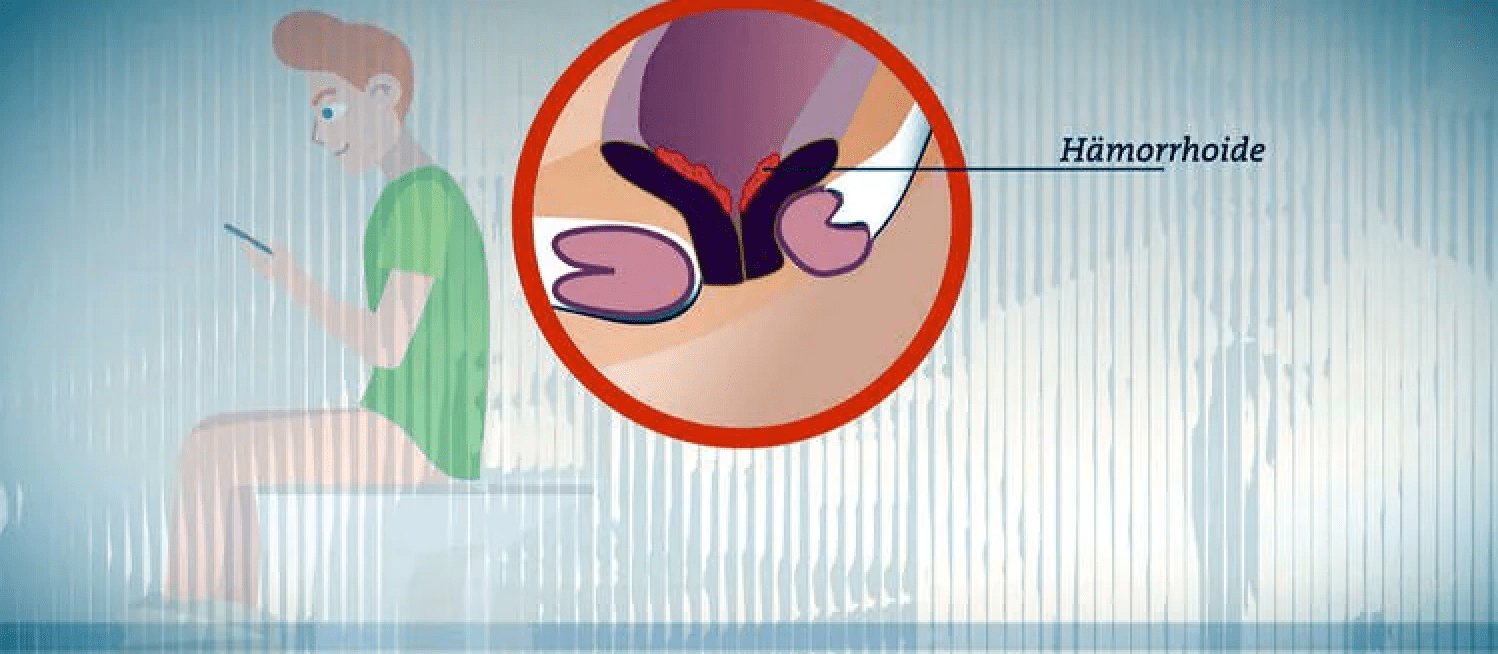
What are hemorrhoids?
Between the anal sphincter and the rectum lies a network of blood vessels known as the hemorrhoidal plexus. This vascular network consists primarily of a dense network of veins and arteries. The main function of the hemorrhoidal plexus is to work in conjunction with the anal sphincter to ensure the closure of the anus.
Hemorrhoids form when the blood vessels of the hemorrhoidal plexus dilate, which is usually caused by swelling of the vascular cushion associated with inflammation. This swelling may take the form of nodules or resemble the structure of varicose veins. The swelling ultimately causes the hemorrhoids to be gradually pushed out of the anus.

What causes hemorrhoids?
That’s not an easy question to answer—because hemorrhoids are usually caused by a combination of several factors. Constipation is usually the trigger for hemorrhoids, but as is almost always the case, the underlying causes tend to run a bit deeper. After all, this digestive disorder usually has a history of its own.
In most cases, poor diet, lack of exercise, and being overweight are the underlying problems that lead to constipation. Damaged blood vessels often accompany these problems and further increase the likelihood of developing hemorrhoids. It is not uncommon for women to develop this condition after pregnancy.

How are hemorrhoids diagnosed?
First of all, it’s a good idea to consult a doctor if you suspect you have hemorrhoids. A doctor can determine whether they are actually hemorrhoids or if there are other underlying conditions. Often, a physical examination is sufficient. Sometimes, however, the doctor may need to perform a colonoscopy.
Depending on the severity of the hemorrhoids, treatment may involve either conservative management with medication —or surgery may be necessary, though this is performed only when absolutely necessary.
What helps with hemorrhoids?
If you have hemorrhoids, it’s important to see a doctor; self-medication without a doctor’s guidance is not recommended under any circumstances. However , there are a number of products that can help with hemorrhoids —for example, Deumavan Intim Neutral Protective Ointment. It’s easy to use; simply apply it after a bowel movement or after showering. Whether surgery is necessary or whether conservative treatment with medication is sufficient: Either way, it’s important for patients with hemorrhoids to adjust their diet and get significantly more exercise to prevent a relapse.


